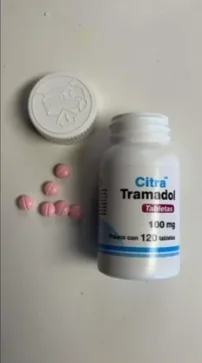
Some side effects of tramadol may occur that usually do not need medical attention. These side effects may go away during treatment as your body adjusts to the medicine. Also, your health care professional may be able to tell you about ways to prevent or reduce some of these side effects.
What is Tramadol? Benefits, Importance, and Proper Use
💊 What is Tramadol?
Tramadol is a prescription pain reliever used to treat moderate to severe pain. It works by binding to opioid receptors in the brain, reducing the sensation of pain while also increasing serotonin and norepinephrine levels, which enhance pain relief.
🌟 Key Benefits of Tramadol
✔️ Effective Pain Relief – Ideal for post-surgery pain, injuries, or chronic conditions. ✔️ Long-Lasting Effects – Extended-release versions provide relief for hours. ✔️ Mild Sedation – Helps with relaxation and improves comfort. ✔️ Alternative to Stronger Opioids – Less potent than morphine, reducing the risk of addiction when used responsibly.
⚖️ How Does Tramadol Work?
Tramadol blocks pain signals from reaching the brain while also boosting feel-good neurotransmitters, helping patients manage discomfort without feeling overly sedated.
⚠️ Important Considerations & Warnings
🚨 Use Only as Prescribed – Misuse can lead to addiction and withdrawal symptoms. 🚨 Avoid Alcohol – Combining Tramadol with alcohol can cause serious side effects. 🚨 May Cause Drowsiness – Avoid driving or operating heavy machinery. 🚨 Not for Long-Term Use – Prolonged use increases the risk of dependence.
🏆 Final Thoughts
Tramadol is a highly effective pain reliever when used correctly. However, responsible use is crucial to avoid dependency. Always consult a healthcare provider before using Tramadol for pain management.